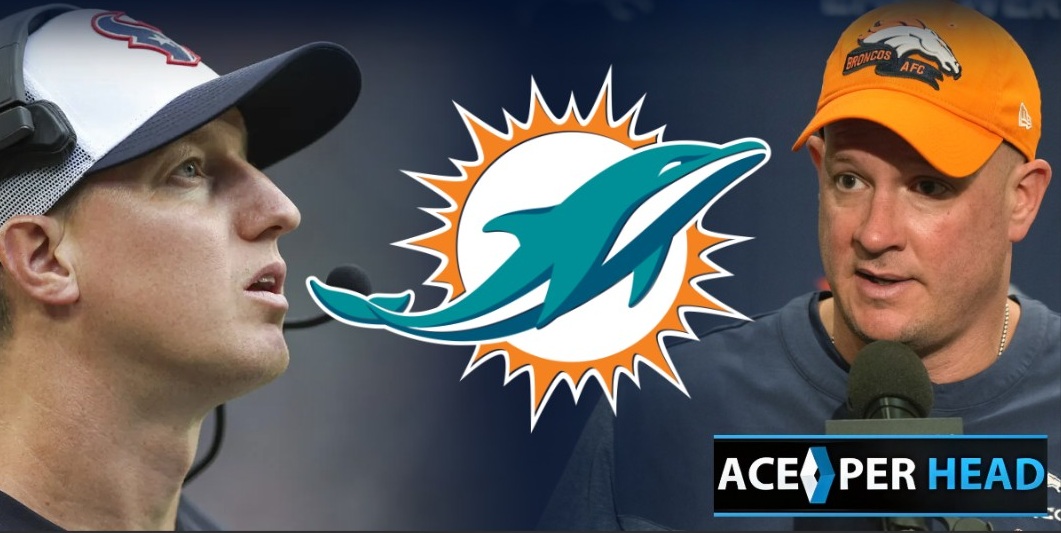
The Miami Dolphins’ decision to add Nathaniel Hackett as quarterback coach won’t light up the headlines—but it might quietly matter more than flashier hires. This isn’t about reinvention. It’s about stabilization, clarity, and giving the quarterback room a consistent daily voice after years of churn.
Yes, I’d love more pop from a hire especially considering Slowik was another ‘steady Eddy’ hire.
But given the depth and breadth of this rebuild, both Hackett and Slowik bring experience to set the foundation. Given where we are with a rookie GM and HC, that steady approach is worth its weight in gold, even if we upgrade on them in a year or two.
What Does Hackett Bring to Miami?
Hackett’s reputation around the league is well established: he’s a relationship builder, a communicator, and a teacher. Players—especially quarterbacks—tend to respond to him. He’s not a drill sergeant or a schematic tyrant. He’s the guy who translates concepts into confidence, protections into comfort, and game plans into rhythm. For a Dolphins team that has often oscillated between brilliance and breakdown at the quarterback position, that steadiness has value.
Of course, Hackett’s résumé comes with baggage. His head-coaching stint in Denver was a failure, and there’s no reason to pretend otherwise. But Miami didn’t hire him to run the building, call plays, or manage game day. They hired him for a narrowly defined role: quarterback development and weekly preparation. In that lane, Hackett’s track record is far stronger—particularly working within structured offenses where responsibilities are clearly delineated.
Slowik’s offensive identity is built on structure: timing, sequencing, protection, and marrying the run and pass. His system asks the quarterback to play on schedule, trust defined reads, and avoid hero ball. Hackett complements that philosophy well. He’s not trying to imprint his own offense or override the coordinator. Instead, he’s well suited to reinforce Slowik’s framework—helping the quarterback understand why concepts are being called, where answers are built in, and how to stay calm when the look isn’t perfect.
You can be with the best pay per head that there is risk, of course. Hackett isn’t a detail tyrant, and if the structure above him weakens, he won’t supply that edge by force of personality. This pairing requires Slowik to be decisive and the head coach to enforce standards. Hackett works best when the rules are clear and the hierarchy is respected.
Still, the intent here is obvious. Miami isn’t asking Hackett to fix everything. They’re asking him to make the quarterback room functional, communicative, and steady—week after week. In an organization that has often chased the next big idea, this move signals something different: fewer voices, cleaner teaching, and less noise.
It won’t solve every problem, but paired correctly, it can help Miami stop creating new ones.