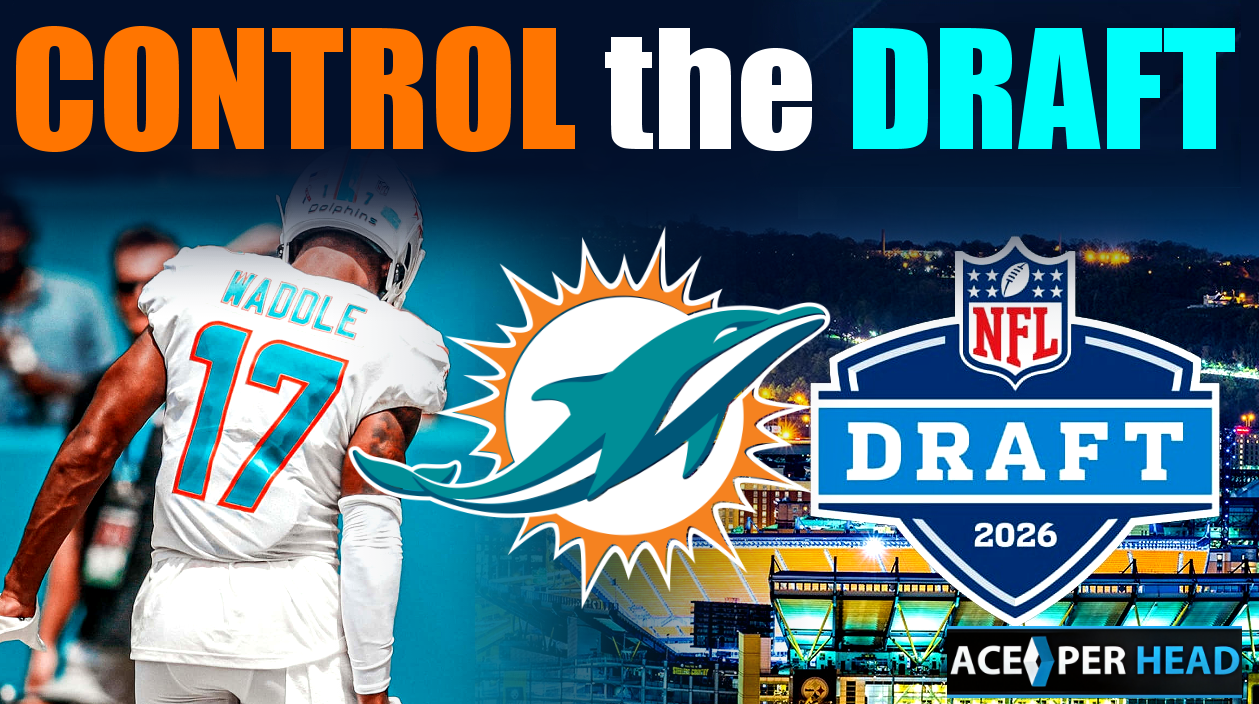
I loved watching my kids do the Waddle dance, but the trade jumpstarts the Phins future
The Miami Dolphins trading Jaylen Waddle will hit many fans the same way at first—shock, frustration, maybe even disbelief. You don’t move on from a player like that lightly. He’s explosive, proven, and still young. But once the initial reaction settles, the real story starts to come into focus—and it’s not about replacing Waddle.
It’s about controlling the draft.
It’s about getting the Dolphins team to return to glory.
Miami is now a major player in the 2026 Draft, and Sullivan and Hafley have all they need to start turning this franchise around.
Phins Are Now Major Players in the 2026 Draft
What Miami gained in this move isn’t just additional picks—it’s leverage. With two first-round selections (#11 and #30 overall) and a cluster of picks across the top 100, the Dolphins have quietly positioned themselves in one of the most powerful spots a team can hold heading into a draft. This isn’t a team hoping value falls to them. This is a team that can dictate how the board unfolds.
That distinction matters.
Having multiple early picks changes everything. It allows flexibility in a way single-pick teams simply don’t have. Miami can move up if a premium player begins to slip. They can move back and accumulate even more assets. Or they can stand firm and take multiple swings at key positions. However they choose to approach it, they are no longer reacting—they’re operating with intent.
And that’s the clearest signal of all.
The Waddle Trade is More than Just Draft Control
You can bet with the best pay per head that this trade also reflects a philosophical shift. The previous regime often chased impact through aggressive moves, sometimes sacrificing long-term structure for immediate return. This move feels different. It leans into volume, optionality, and controlled risk. Instead of betting heavily on a few players, Miami is increasing its chances to hit across multiple tiers of the draft.
There’s also a financial layer to consider. Moving Waddle opens flexibility not just in the draft, but in roster construction. With young players approaching extensions and key decisions looming, this kind of capital allows the Dolphins to build with both the present and future in mind. Draft picks are not just players—they are cost-controlled opportunities.
That’s where this move becomes clearer.
None of this removes the reality that Miami is losing talent. Waddle’s ability to stretch defenses and create leverage is not easily replaced. Neither is the type of humble and likeable person he is. But the Dolphins appear to be betting that they can recreate elements of that production through scheme, development, and multiple additions rather than relying on a single player.