

Former Titans GM Robinson wasn’t perfect, but he had many big hits!
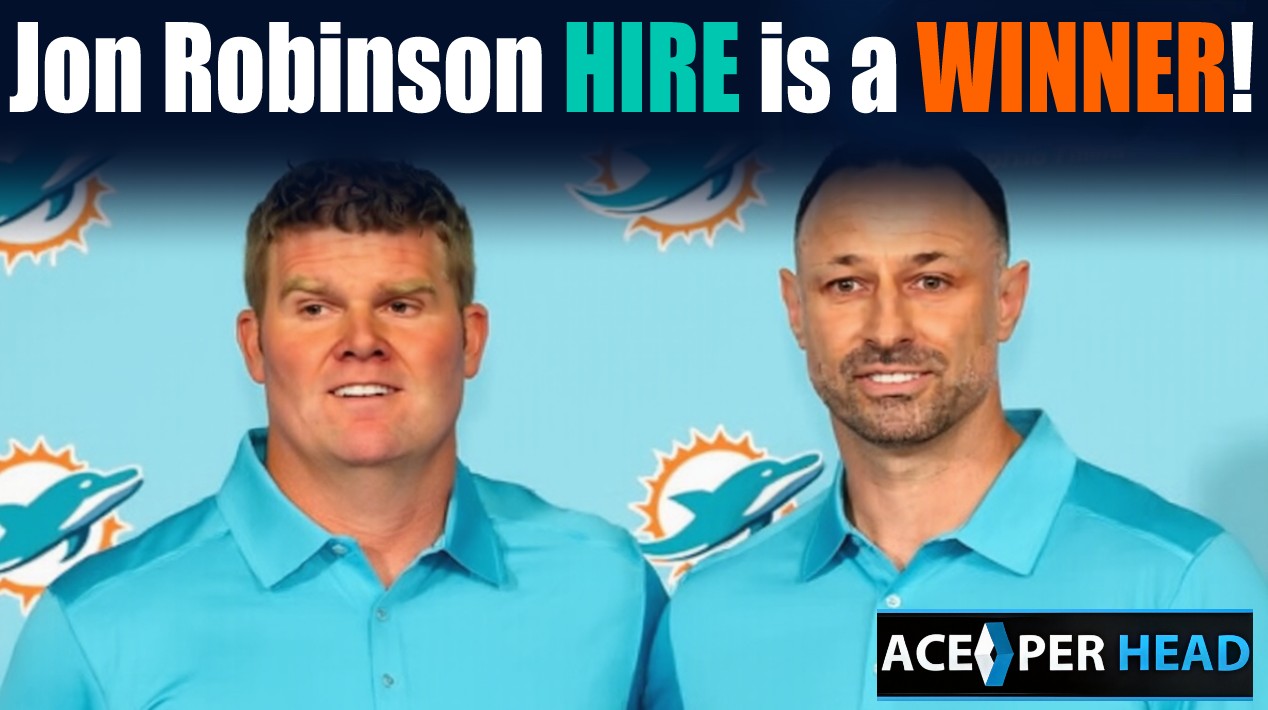
The Miami Dolphins’ front office reset under general manager Jon-Eric Sullivan has been defined by a tone shift: fewer headlines, more structure, and an emphasis on disciplined roster building. The decision to bring former Titans general manager Jon Robinson into the organization as a senior personnel executive fits that theme. It’s not a splashy move. It’s a pragmatic one — and, in many ways, a very un-Miami step toward stability.
Robinson in a Nutshell
Robinson’s tenure in Tennessee (2016–2022) was not flawless, but it was productive. He helped assemble the roster that powered the Titans to multiple playoff appearances and an AFC Championship Game run. His drafts produced cornerstone players and identity pieces, particularly in the trenches and along the defensive front. Derrick Henry became the face of a physical offense and a 2,000-yard rusher. Jeffery Simmons developed into one of the NFL’s premier interior disruptors. Kevin Byard evolved into an All-Pro safety and defensive leader. A.J. Brown quickly became one of the league’s most dangerous receivers after the catch.
These weren’t luxury selections. They were foundational pieces.
Robinson also demonstrated a consistent ability to find starting-caliber contributors outside the first round — an area where strong personnel departments separate themselves from the pack. Players such as Harold Landry, Nate Davis, and Jonnu Smith helped Tennessee maintain a rugged identity without overspending premium draft capital across a single position group.
Robinson Was Good, but Wasn’t Without Flaws
There were missteps:
The trade of A.J. Brown to Philadelphia remains the most criticized decision of Robinson’s tenure, both for its timing and for the talent lost. Some later roster decisions and contract structures contributed to Tennessee’s cap and depth challenges near the end of his run. But taken as a whole, Robinson’s record places him above league average in talent identification and roster construction.
For Sullivan, a first-time general manager tasked with reshaping Miami’s roster and culture, that experience is valuable. Robinson has navigated playoff builds, contract cycles, physical identity shifts, and the difficult balance between retaining talent and maintaining financial flexibility. He understands the lifecycle of a roster and the importance of drafting players who define how a team plays.
It is also notable that this hire reflects restraint. Instead of chasing star power or headline-grabbing personalities, the Dolphins are assembling a football operations structure rooted in evaluation, process, and collaboration. That approach contrasts with previous eras marked by urgency and quick fixes.
Sullivan Will be Helped by Robinson’s Experience
How Miami ultimately deploys Robinson’s voice within the personnel department remains to be seen. Front offices are ecosystems, and influence is often subtle rather than visible. But through the early stages of this transition, the Dolphins appear committed to building deliberately rather than reacting impulsively.
If that trend holds, you can bet with the best pay per head that Robinson’s addition may prove to be more than a supporting move. It may be another signal that Miami is prioritizing substance over flash — and that, for a franchise long defined by volatility, is a meaningful shift.
Yes! It’s still very early, but this is the most sensible and coherent offseason I can remember in a long time.
Go Phins!!!